
Hreflang errors occur when hreflang tags are implemented incorrectly on multilingual or multi regional websites. These tags help search engines understand which version of a webpage should appear for users based on language or geographic region. When hreflang implementation contains mistakes, search engines may fail to connect the different language versions of a page. As a result, users may see the wrong language page in search results, duplicate pages may compete with each other, and international SEO performance can decline.
Hreflang tags are an essential part of international SEO because they tell search engines like Google which page is intended for users in a specific language or country. For example, a website may have an English version for the United States, a German version for Germany, and a French version for France. Hreflang tags help search engines understand that these pages are related but targeted to different audiences.
However, many websites experience hreflang problems due to incorrect language codes, missing return tags, canonical conflicts, or hreflang URLs pointing to redirected pages. Even small mistakes in hreflang implementation can break the connection between language pages and cause search engines to ignore the entire hreflang setup. Understanding these issues is essential for maintaining strong international SEO performance.
What Are Hreflang Errors
Hreflang errors refer to mistakes in hreflang tag implementation that prevent search engines from properly identifying the language or regional targeting of webpages. Hreflang tags are used to signal language and country targeting so search engines can show the correct version of a page to users.
When hreflang tags are implemented correctly, they create a relationship between multiple versions of a page that target different languages or regions. For example, a website targeting English speaking users in the United States and Canada may have separate pages such as an English United States version and an English Canada version.
If hreflang tags contain errors, search engines may not be able to understand these relationships. This can cause the wrong language version to appear in search results, duplicate content issues across language pages, and poor user experience for international visitors.
Why Hreflang Errors Hurt International SEO
Hreflang tags are a key signal used by search engines to determine which version of a webpage should be shown to users in different regions. When hreflang tags contain errors, search engines may misinterpret the relationship between pages.
One major consequence of hreflang errors is incorrect language targeting. If hreflang tags are broken or incomplete, Google may display the wrong language version to users. For example, a Spanish speaking user might see an English page instead of a Spanish page.
Hreflang errors can also create duplicate content confusion. Many multilingual websites contain similar content across different language pages. Without correct hreflang tags, search engines may treat these pages as duplicates rather than region specific versions.
Another issue is indexing inefficiency. If hreflang tags reference redirected URLs, broken pages, or non indexable pages, search engines may ignore the entire hreflang configuration. This reduces the effectiveness of international SEO strategies.
Most Common Hreflang Errors in 2026
During technical SEO audits, several hreflang issues appear repeatedly on multilingual websites. These errors typically occur because of incorrect implementation or incomplete hreflang clusters.
- Missing self referencing hreflang
- Missing return tags between pages
- Incorrect language codes
- Hreflang pointing to redirected URLs
- Hreflang pointing to broken pages
- Canonical tag conflicts with hreflang
- Duplicate hreflang tags
- Missing x default hreflang tag
- Hreflang mismatch with HTML language attribute
- Multiple pages targeting the same language or region
- Non indexable pages included in hreflang tags
- Incomplete hreflang clusters
- Relative URLs instead of absolute URLs
- Hreflang tags placed outside the HTML head section
- Missing hreflang tags entirely
- Query parameters included in hreflang URLs
- Incorrect language and country combinations
- Different URL structures breaking hreflang mapping
- Inconsistent language targeting across pages
- JavaScript generated hreflang tags
1.Missing Self Referencing Hreflang
A self referencing hreflang tag is an annotation that points from a page to itself. Every page in a multilingual website should include a hreflang tag that references its own URL. This confirms to search engines that the page is part of the hreflang cluster.
When a self referencing hreflang tag is missing, search engines may have difficulty understanding that the page belongs to a group of language specific pages. For example, an English page targeting the United States should contain a hreflang tag that references its own URL with the correct language and region code.
Without this tag, search engines may treat the page as separate from the hreflang structure. This can weaken the relationship between language versions of a page and may lead to incorrect language pages appearing in search results.
Adding a self referencing hreflang tag ensures that search engines clearly understand the language targeting of the page and maintain the correct relationship within the hreflang cluster.
2.Missing Return Tags Between Pages
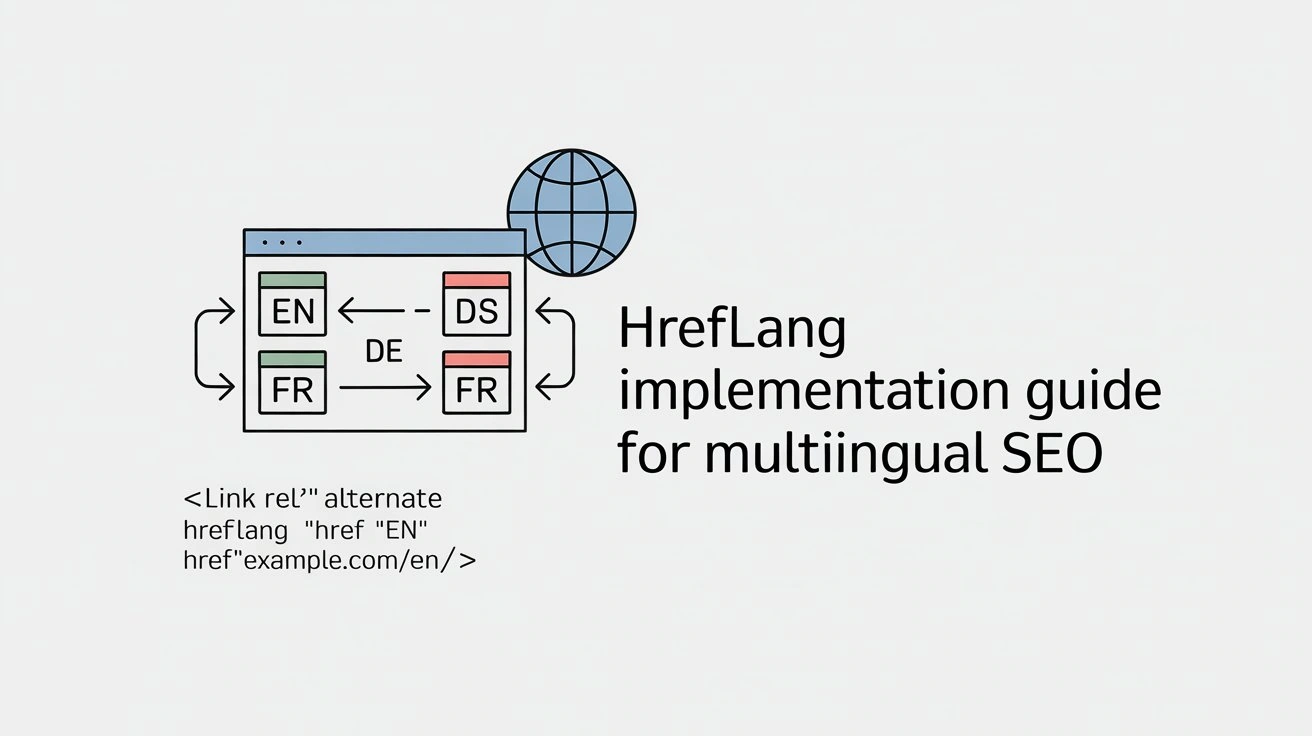
Return tags are an important part of hreflang implementation because they confirm the relationship between language versions of a page. When one page references another through a hreflang tag, the referenced page must also contain a hreflang tag pointing back to the original page.
For example, if an English page contains a hreflang tag pointing to a German version of the page, the German page must also include a hreflang tag pointing back to the English page. This reciprocal relationship confirms to search engines that the pages belong to the same language cluster.
If return tags are missing, search engines may ignore the hreflang annotations. Google requires this reciprocal linking to verify that the relationship between language pages is intentional and correctly implemented.
Ensuring that every page references all other language versions helps search engines correctly interpret the hreflang structure and display the appropriate page in search results.
3.Incorrect Language Codes in Hreflang Tags
Hreflang tags rely on standardized language and country codes to communicate language targeting to search engines. These codes must follow international standards such as ISO language codes and country codes.
When incorrect language codes are used, search engines may not be able to interpret the hreflang tag. For example, using a code that does not exist or combining language and country codes incorrectly can cause the hreflang tag to be ignored.
Many websites accidentally use incorrect combinations such as language codes that do not match the targeted region or country codes that are invalid. These errors often occur when hreflang tags are manually added without proper validation.
Using the correct language codes ensures that search engines understand the intended audience for each page. Verifying hreflang tags with SEO tools or hreflang checkers can help detect these issues before they impact search rankings.
4.Hreflang Pointing to Redirected URLs
Another common hreflang error occurs when hreflang tags point to URLs that redirect to another page. Hreflang tags should always reference the final destination URL rather than a redirected URL.
When a hreflang tag points to a redirected page, search engines may treat the annotation as unreliable. Redirect chains also introduce additional complexity for search engines when they attempt to crawl and interpret hreflang relationships.
For example, if a hreflang tag points to a page that redirects from HTTP to HTTPS or from one URL structure to another, the signal may become weaker or ignored.
To avoid this issue, hreflang tags should always reference the canonical version of the page that returns a successful status code. Ensuring that hreflang URLs lead directly to the correct page helps maintain a clear and stable international SEO structure.
5.Hreflang Pointing to Broken Pages
Hreflang tags must reference valid and accessible pages. If a hreflang tag points to a broken page that returns an error status code such as 404, search engines cannot establish a valid connection between language versions.
Broken hreflang URLs often occur when pages are deleted, moved, or renamed without updating the hreflang annotations. Over time, these outdated references can accumulate and weaken the hreflang structure of a multilingual website.
When search engines encounter hreflang tags that point to non-working pages, they may ignore those tags entirely. This breaks the relationship between the language versions and reduces the effectiveness of the hreflang implementation.
Regularly auditing hreflang URLs and ensuring that they point to active pages helps maintain a healthy international SEO setup.
6.Canonical Tag Conflicts with Hreflang
Canonical tags and hreflang tags serve different purposes in SEO, but they must work together correctly. A canonical tag tells search engines which version of a page should be considered the primary version for indexing.
If a page contains a canonical tag pointing to a different language version, it creates a conflict with the hreflang signal. In such cases, search engines may prioritize the canonical tag and ignore the hreflang annotation.
For example, if a German page has a canonical tag pointing to the English version of the page, search engines may treat the German page as a duplicate of the English page.
To avoid this conflict, each language page should typically use a self referencing canonical tag. This allows hreflang tags to properly indicate the relationship between the different language versions.
Must Read : Canonical vs Hreflang Tag Guide
7.Duplicate Hreflang Tags
Duplicate hreflang tags occur when the same language or region is referenced multiple times in the hreflang annotations of a page. This can confuse search engines because they cannot determine which version of the page should be associated with that language.
Duplicate tags often occur when hreflang tags are generated automatically by different plugins or systems. If multiple hreflang annotations exist for the same language version, search engines may ignore the conflicting tags.
Ensuring that each language or region appears only once in the hreflang setup helps maintain a clear and accurate hreflang cluster. Proper validation tools can help identify duplicate hreflang entries.
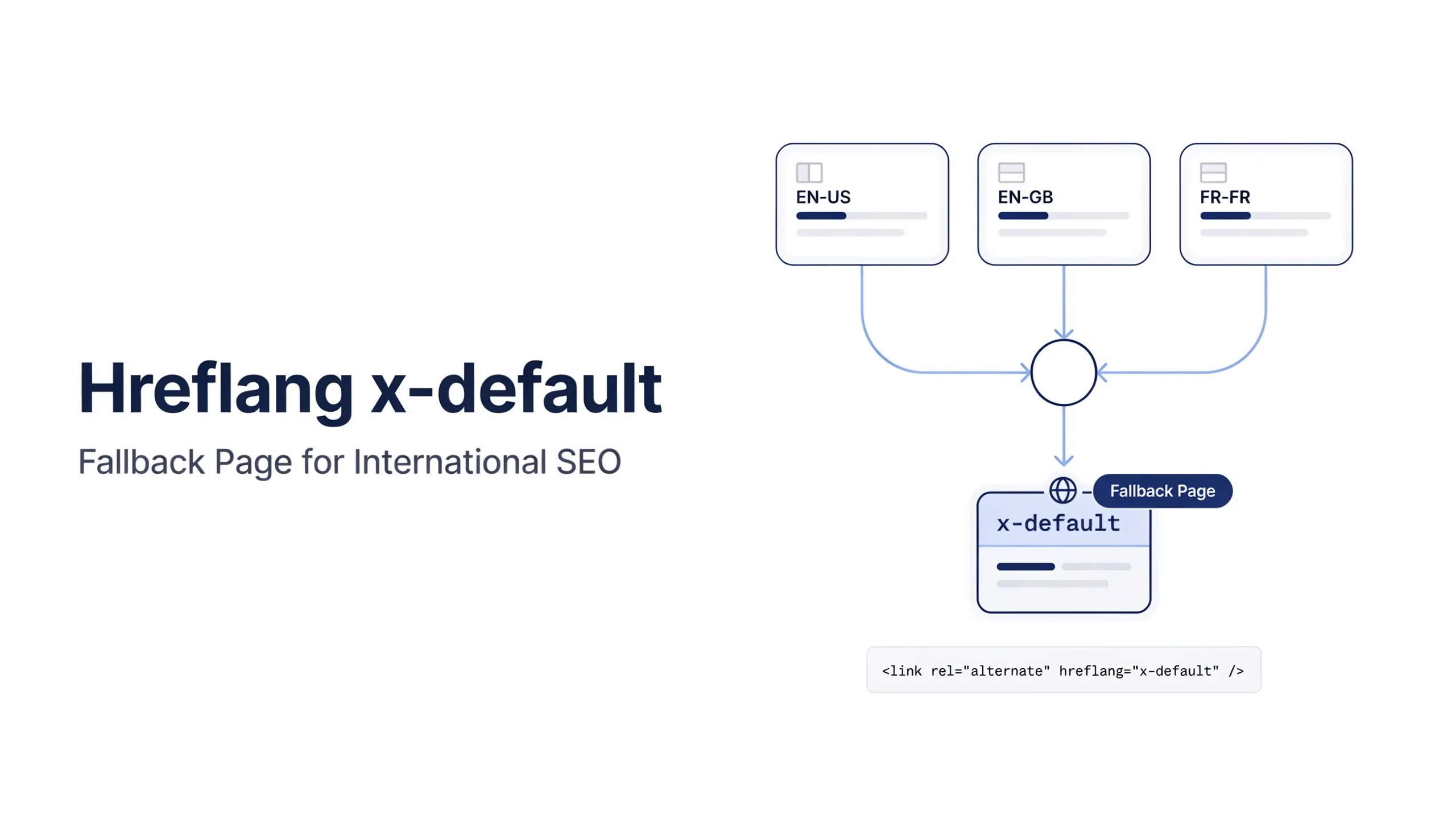
8.Missing X Default Tag
The x default hreflang tag is used to specify a fallback page when a user’s language or region does not match any of the specified hreflang versions. This tag is commonly used on global websites that serve users from multiple countries.
When the x default tag is missing, search engines may have difficulty determining which page should be shown to users whose language preferences do not match the available versions.
Adding an x default hreflang tag helps guide search engines toward a neutral version of the page such as a global homepage or language selector page. This improves user experience and ensures that visitors are directed to an appropriate starting point.
How to Fix Hreflang Errors
Fixing hreflang issues involves ensuring that every page in a language cluster correctly references the other versions of the page. The first step is validating the language and country codes used in the hreflang tags. These codes must follow ISO language standards so that search engines can correctly interpret them.
The next step is ensuring that hreflang tags are reciprocal. Every page should reference the other language versions and those pages must also link back. This creates a complete hreflang cluster that search engines can easily understand.
Website owners should also confirm that hreflang URLs point to indexable pages that return a valid status code. If a URL redirects or leads to a broken page, the hreflang tag should be updated to reference the correct destination.
Canonical tags must also align with hreflang tags. Each page should normally have a canonical tag pointing to itself rather than another language version. This prevents conflicting signals that could cause search engines to ignore the hreflang tags.
Finally, it is important to regularly audit hreflang implementation using SEO tools or hreflang validators. Regular monitoring ensures that new pages, redirects, or structural changes do not introduce new hreflang errors.
Common Hreflang Errors and Fixes Overview
| Hreflang Error | Why It Happens | How to Fix It |
| Missing return tags | Pages do not reference each other | Add reciprocal hreflang tags |
| Incorrect language codes | Invalid language or region codes | Use correct ISO language codes |
| Redirected URLs | Hreflang points to redirected pages | Use final destination URLs |
| Canonical conflicts | Canonical tag points to another language page | Use self referencing canonical |
| Broken pages | Hreflang references deleted pages | Update hreflang URLs |
Best Practices to Prevent Hreflang Errors
Preventing hreflang errors requires maintaining a consistent and well structured international SEO setup. Websites should ensure that every language version of a page is properly connected through hreflang tags and that the URLs remain stable over time.
Using absolute URLs instead of relative URLs helps search engines clearly identify each page. Maintaining consistent URL structures across language versions also reduces confusion when mapping hreflang clusters.
It is equally important to ensure that pages referenced in hreflang tags remain indexable and accessible. Pages blocked by robots directives or marked with noindex should not appear in hreflang annotations.
Regular technical SEO audits can help detect issues early. When hreflang tags are validated regularly, website owners can quickly identify errors before they impact search visibility.
FAQs
What are hreflang errors
Hreflang errors are mistakes in hreflang tag implementation that prevent search engines from correctly identifying the language or regional version of a webpage.
How do hreflang errors affect SEO
Hreflang errors can cause incorrect language pages to appear in search results, duplicate content signals, and reduced visibility for international audiences.
How can I check hreflang errors
Hreflang errors can be detected by reviewing page source code, using SEO crawling tools, analyzing Google Search Console reports, or using an hreflang checker tool.
How do I fix hreflang errors
To fix hreflang errors, ensure correct language codes are used, add reciprocal hreflang tags, verify canonical tags, and confirm that hreflang URLs point to valid pages.
Where should hreflang tags be implemented
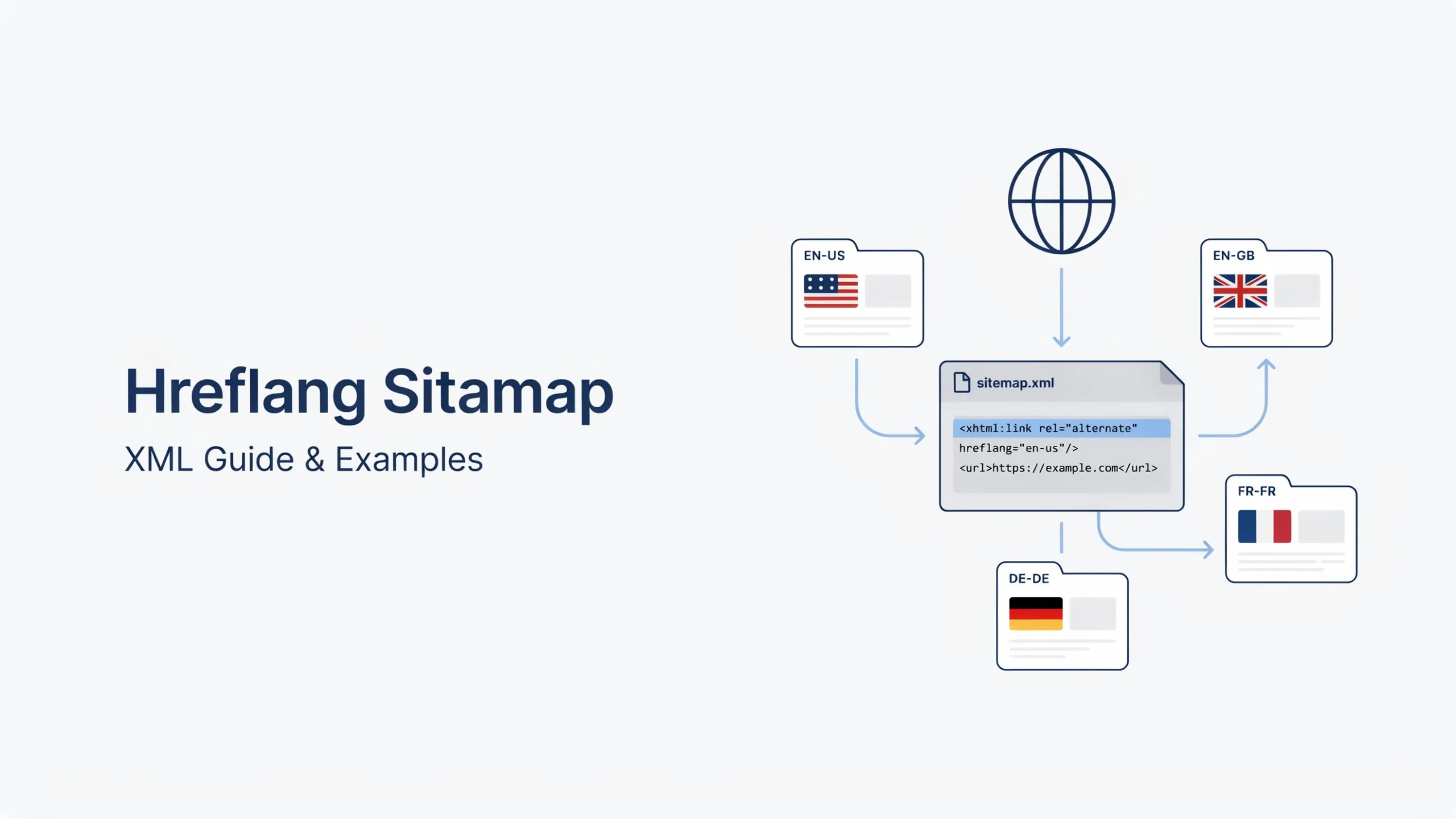
Hreflang tags are typically placed inside the HTML head section of a page, but they can also be implemented through XML sitemaps or HTTP headers depending on the website setup.